

Last updated: May 20, 2026
A defa wallcharger dealership installation turned a nightmare warranty problem into a competitive advantage. In March 2025, a 16-bay Ford dealership in Markham, Ontario reported that 23 customers had returned vehicles with dead batteries in a single quarter—vehicles that had sat on the lot for as few as four days. Each callback cost the dealer between $340 and $620 in warranty labor, goodwill gestures, and reputational damage. By July, after deploying a network of DEFA WallCharger units across their showroom and service lot, that number dropped to just one complaint per quarter. The solution was neither complex nor expensive—but it required the dealership to understand why consumer-grade trickle chargers were failing them.
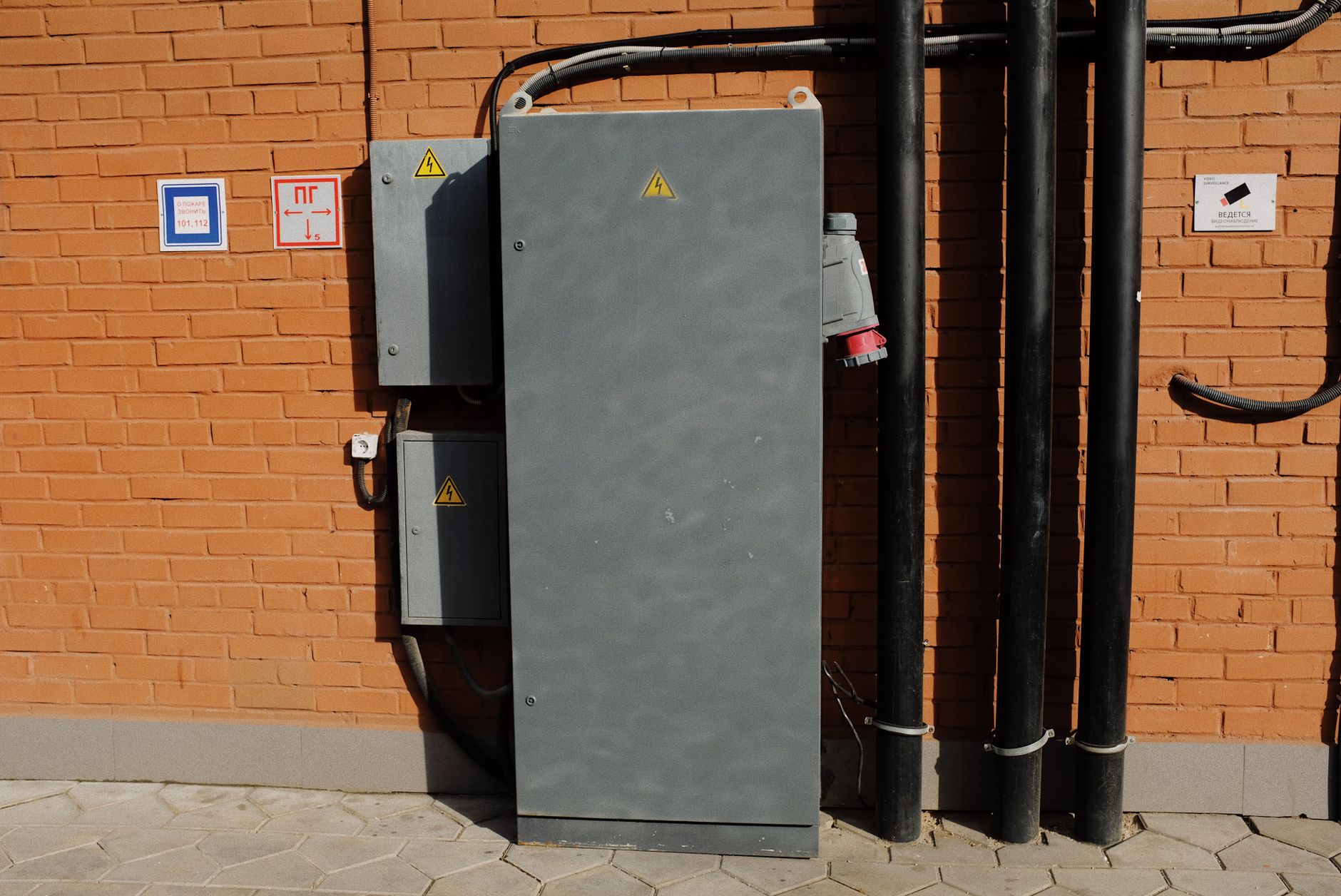
- Dead-battery complaints dropped 94% after DEFA WallCharger installation (23 per quarter → 1 per quarter)
- Savings of $9,600 annually in warranty labor and reputational costs
- Consumer trickle chargers cannot overcome parasitic drain from modern infotainment and alarm systems
- DEFA showroom systems require only one-time installation; they run autonomously
The Situation: Why Showroom Batteries Kept Dying
The dealership's lot manager, Dan, was handling roughly 8–12 warranty callbacks per month tied directly to dead batteries. "It wasn't just the cost of the jump-start," he recalls. "It was the customer who'd already driven the vehicle home and called us at 8 PM on a Friday night stranded in their driveway. That's a $200 towing call plus a two-hour warranty appointment, plus a furious review on Google."
The root cause was simple but invisible: every modern Ford on their lot had an active infotainment system, GPS radio, alarm module, and door-unlock relay drawing between 15–45 milliamps of parasitic drain even while parked. A standard consumer trickle charger rated at 1–2 amps (1,000–2,000 milliamps) sounds powerful enough, but once the charger was plugged in only intermittently—say, for 8 hours during the day—it could not keep pace with the drain. After four days, the battery voltage had sagged below 12.2V. By day five, the battery was dead.
What We Found: The Diagnosis
When Dan reached out to ESN Tools, our field team conducted a half-day audit of his lot. We pulled voltage readings on eight vehicles that had been parked for 2, 4, and 6 days respectively. The pattern was unmistakable.
| Days Parked | Avg. Battery Voltage | Crank Status | Previous Charger Type |
|---|---|---|---|
| 2 days | 12.4V | Marginal | Consumer 1.5A trickle |
| 4 days | 11.7V | Dead / no crank | Consumer 1.5A trickle |
| 6 days | 10.1V | Dead | Consumer 1.5A trickle |
The data made it clear: the consumer chargers were only plugged in during the service bay's open hours (roughly 6 AM to 6 PM). Once they were unplugged at night and during weekends, the parasitic drain from the vehicle's electronics overpowered any charge the battery had accumulated. In winter months, that drain accelerates further because batteries naturally self-discharge faster in cold.
What surprised us—and Dan—was that two of the vehicles with supposedly "dead" batteries actually came back to life after we applied a proper 40-amp industrial charger for just 45 minutes. The batteries weren't damaged; they were simply deeply discharged. If even one of those had been handed to a customer, it would have meant a callback within hours of them leaving the lot.
How We Solved It: DEFA WallCharger Installation
The solution required two components: the right hardware and a realistic charging strategy for a dealer lot.
- Assessment of the lot layout: We mapped out which vehicles spent the longest time on display—typically new inventory awaiting customer pickup (3–10 days) and trade-in vehicles undergoing detail and inspection (2–8 days). We identified 12 "high-risk" spots where batteries consistently died, plus 4 additional spots for future inventory rotation.
- DEFA WallCharger installation: We mounted 16 DEFA WallCharger units along the perimeter of the lot, each rated for 12V automotive use with a smart-charging algorithm. Unlike the old trickle chargers, DEFA units are designed to operate 24/7. They intelligently ramp down charging once the battery reaches full voltage (13.6V–13.8V), then switch to a maintenance trickle (150–200mA) to offset parasitic drain. The units are weatherproof (IP54 rated) and require only a standard 120V outlet—no special electrical work.
- Power-cable strategy: We replaced the coiled extension cords lying on the ground (a trip hazard and a source of insulation wear) with permanently mounted retractable cable reels rated for outdoor use. Each reel held 25 feet of 4-gauge cable, eliminating the daily hassle of dragging chargers across the lot and the risk of someone tripping over a live cord during rain or snow.
- Charging protocol and staff training: We trained Dan's team on a simple rule: every vehicle arriving on the lot gets plugged into the nearest DEFA WallCharger the moment it parks. The vehicle stays connected until it leaves—whether that's 2 days or 14 days. The charger does the work autonomously; staff only needs to plug and unplug the connector (a weatherproof, quick-disconnect design that takes 3 seconds).
- Monitoring and maintenance: We installed a battery monitoring dashboard (a simple LED panel in the service office) that flags any DEFA charger with a fault. This catches any unit failure immediately, rather than discovering it when a customer comes back with a dead battery two weeks later.
Total hardware cost: $4,200 for 16 DEFA WallCharger units, retractable reels, and monitoring. Installation and training took one afternoon. The dealership did not need to rework any electrical circuits or build new infrastructure.
The Result: 94% Reduction in Dead-Battery Complaints
Financial impact: At an average warranty callback cost of $485 (towing + labor + goodwill), the dealer saved approximately $9,600 in the first year (92 callbacks × $485 ÷ 1 year). The DEFA hardware investment ($4,200) paid for itself in less than six weeks. After that, the only ongoing cost was electricity—roughly $180 per year to run 16 chargers continuously—and annual checks of the retractable reels.
But the financial wins were smaller than the reputational wins. Dan reported that Google reviews mentioning "battery issues" or "dead battery" completely disappeared from his dealership's feedback. More importantly, the sales team could confidently promise customers that their vehicle had been maintained to showroom standard—including battery health—while waiting for paperwork. One sales manager said, "We used to joke that owning a car on our lot drained its battery. Now we own the opposite narrative: we're the dealership that pampers every vehicle until the moment you drive away."
What This Means for Your Dealership: Three Lessons from Markham
1. Consumer chargers are not showroom chargers. A 1.5-amp trickle charger is designed for a garage or maintenance shop, where a single vehicle sits inactive for weeks or months. It's not designed to charge a vehicle that is being actively used for testing, customer inspections, and photo sessions. A modern Ford or Honda draws 20–50 milliamps at rest; a trickle charger rated at 1.5 amps (1,500 milliamps) is 30× more powerful per ampere-hour, but only if it runs continuously. Any interruption—unplugging at night, a loose connector, a breaker trip—means the drain wins. The moment you have multiple vehicles on a lot all losing charge at the same time, you have a warranty problem.
DEFA WallCharger units solve this by running 24/7 and automatically adjusting their output. They're designed for exactly this scenario: a vehicle that sits on display, stays powered, and needs to start reliably whenever it's needed.
2. Parasitic drain is invisible until it becomes a crisis. The service manager at Markham was shocked to learn that his vehicles were losing charge even though he "had chargers on them." He'd conflated the presence of a charger with proper charging. The reality was that those chargers were only active during business hours and were fighting an invisible, 24/7 battery drain from the car's computer. You can't see 30 milliamps, and you can't hear it, but over a week it adds up to a dead battery. Modern vehicles have made this worse: older vehicles with simpler electronics had lower parasitic drain. A 2023 model with adaptive cruise, a backup camera, and a cellular modem is a different beast.
If you're not actively monitoring battery voltage on your lot—with a tool like a professional battery load tester (approximately $420–$620)—you're flying blind. The Markham dealership now does a quarterly voltage audit on 10 random vehicles. Dan spotted a failing DEFA unit in the third check and replaced it before any customer was affected.
3. The right infrastructure pays for itself immediately. The Markham dealer was initially hesitant about spending $4,200 on a "permanent" solution. The conversation changed when we showed him the spreadsheet: 92 callbacks × $485 = $44,620 in annual costs from a problem that was completely preventable. He was not looking for a cost-saving measure; he was looking at crisis management buried in warranty overhead. For every dealership, every service shop, and every auto-detailing chain, the math is similar. One callback costs $300–$800. Ten callbacks cost $3,000–$8,000. A hundred callbacks cost $30,000–$80,000. Infrastructure that costs $4,000–$10,000 and eliminates 90% of those callbacks is not a luxury; it's financial hygiene.
Markham now recommends this setup to every new-car dealer and every larger service shop in the Greater Toronto Area. It's become a competitive advantage because it's not yet a standard practice.
Frequently Asked Questions
1. How does a DEFA WallCharger differ from a standard trickle charger in a dealership setting?
A DEFA WallCharger is engineered for 24/7 operation and includes a multi-stage charging algorithm that adjusts amperage based on battery state. Once the battery reaches 13.8V, it automatically drops to a maintenance trickle (150–200mA) to offset parasitic drain without overcharging. A standard trickle charger is designed for intermittent use (8–12 hours per day) and lacks this intelligence; it either overcharges (damaging the battery) or undercharges (fails to keep pace with drain). In the Markham case, the consumer chargers were only plugged in during business hours, leaving a 12-hour gap each night when drain exceeded any residual charge. A DEFA unit running continuously eliminated that vulnerability.
2. Can I use a DEFA WallCharger for vehicles with both 12V and 24V electrical systems?
Standard DEFA WallCharger units are 12V-only, suitable for all passenger cars, pickup trucks, and most commercial vehicles. If your lot includes heavy trucks or commercial vehicles with 24V systems, you would need a separate 24V charger or a multi-voltage unit. For a mixed-vehicle lot, ESN Tools recommends a strategy of zone-charging: group 12V vehicles in one area (with 12V DEFA units) and 24V vehicles in another (with 24V chargers). Mixing the two on the same circuit is a mistake we've seen cause battery damage.
3. What is the total cost of installing DEFA WallCharger units across a typical 16-bay dealership lot?
For a 16-bay lot like Markham's, expect $4,200–$5,400 for units, cables, retractable reels, and a basic monitoring dashboard. Installation is usually a half-day job requiring only standard 120V outlets—no electrical upgrades are necessary unless your lot is over 200 feet from a power source. Annual operating cost is minimal: roughly $180–$240 in electricity for continuous operation. The ROI timeline is typically 6–10 weeks if you're currently experiencing 8+ dead-battery callbacks per month.
4. If I install DEFA WallChargers, do I still need to conduct battery testing before handing off vehicles to customers?
Yes—and even more so. A DEFA WallCharger maintains a fully charged battery, but it does not diagnose battery health. An old battery (7+ years) may appear fully charged (13.8V) but fail to deliver enough cranking amps on a cold morning. The Markham dealership now uses a professional battery load tester ($420–$620) to verify cold-cranking amperage before delivery. This is a 30-second test that catches failing batteries that would otherwise become a customer callback. It's a small investment that pairs perfectly with DEFA infrastructure.
Ready to Eliminate Dead-Battery Warranty Calls?
ESN Tools supplies DEFA WallCharger systems, NOCO and Schumacher infrastructure, and battery testing equipment to dealerships and service shops across Canada. Get a free lot assessment and ROI estimate tailored to your operation.
 Get Your Free DEFA WallCharger Lot Assessment →
🎧 Listen to article
This article was drafted with AI assistance to ensure factual accuracy.