

Last updated: December 19, 2024
A DEFA professional showroom charger for dealership display vehicles in Mississauga stopped a luxury dealership from losing $8,000+ per year in failed test drives. What started as a single dead battery on a Friday afternoon became the catalyst for a complete showroom power-management overhaul—one that now keeps all 18 display vehicles market-ready, rain or shine. This is the story of why consumer-grade chargers fail on dealer lots and how one decision changed the outcome.
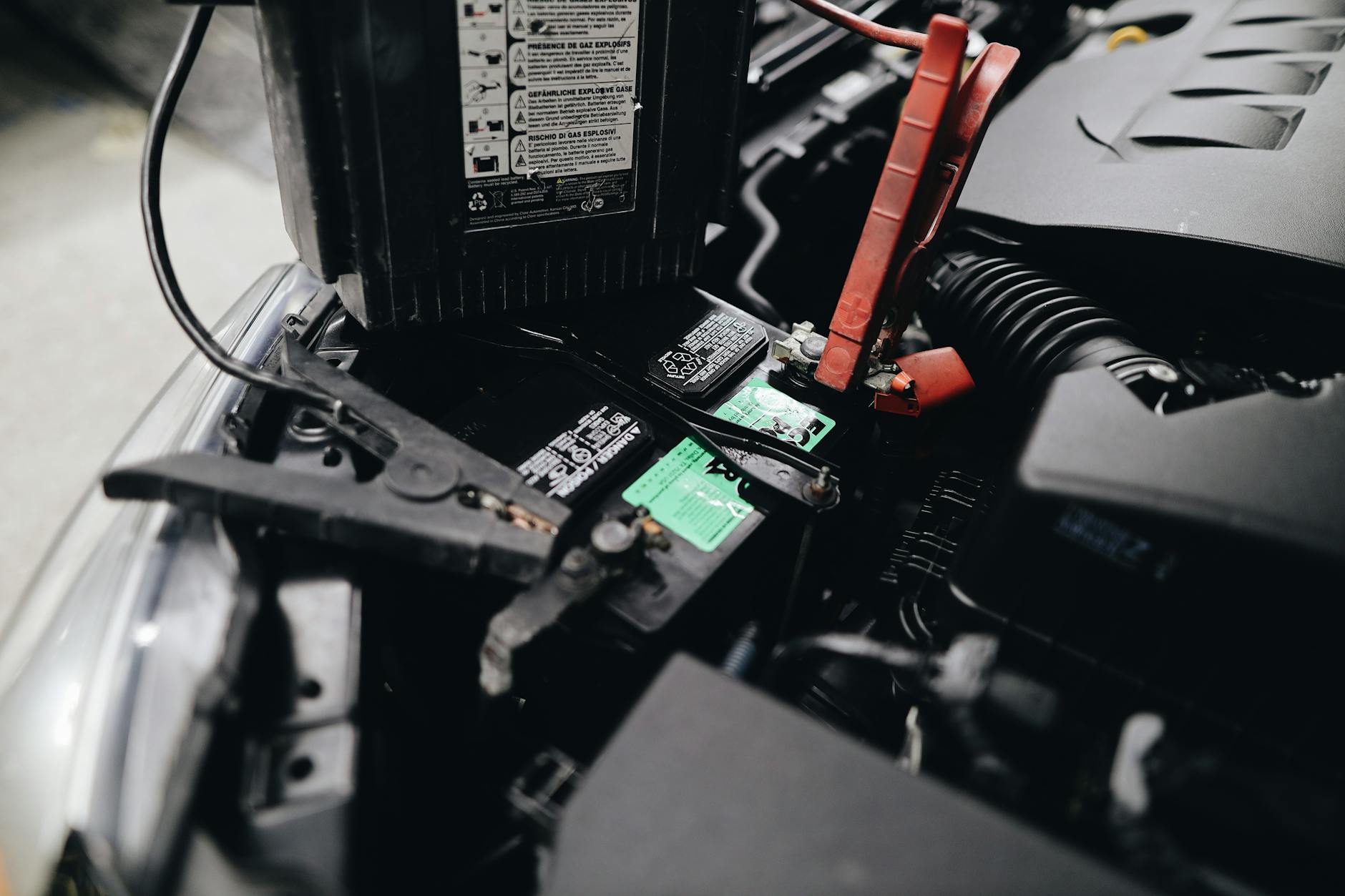
Table of Contents
What We Found
The dealership had been running three separate consumer-grade chargers rated at 2–5 amps each across the lot. On paper, this sounded reasonable. In practice, it was catastrophic. A typical modern vehicle sitting on a showroom lot with the alarm armed, BCM (body control module) active, and infotainment system powered draws 40–80 mA per hour in parasitic drain. Over 48 hours without a customer test drive, that's 2–4 amp-hours of capacity gone—before a single ignition cycle. The 2-amp chargers weren't keeping pace.
We pulled battery voltage readings across all 18 vehicles on a Tuesday morning in October. Eleven batteries tested below 12.4V—the threshold at which modern electronic systems start to misfire. Three were below 12.0V. One was at 11.1V and completely unable to crank. The real issue wasn't the batteries themselves; it was the charging method. The consumer chargers had no multi-stage profile, no temperature compensation, and no way to handle float-charging across a mixed fleet of vehicles with different ages and battery capacities.
What surprised us was how inconsistent the charger placement was. Two units were coiled on the concrete floor—creating both a trip hazard and accelerating insulation wear. One charger had been jury-rigged to a single outlet on the far side of the lot, requiring a 60-foot extension cord draped across the showroom entrance. The service manager had stopped using it after a customer tripped over it.
How We Solved It
For a dealership managing 18 display vehicles in Mississauga, the solution required three components: a professional multi-stage charger with enough amperage to overcome parasitic drain, a permanent hard-wired installation that eliminated extension cords, and a tidy infrastructure that fit into the showroom workflow.
The core upgrade was a hard-wired DEFA Professional Showroom Charger rated at 50A with multi-stage charging and temperature compensation. Unlike the consumer units, DEFA chargers are designed specifically for dealership showroom environments where vehicles sit for extended periods without ignition cycles. The 50A capacity meant the unit could charge multiple vehicles simultaneously while maintaining a proper float stage—holding the battery at optimal voltage without overcharging. This is essential for modern vehicles with sensitive electronics.
Eliminating the floor-coiled extension cords was critical. We mounted an Alert Stamping 5020TF-4C (20-foot retractable reel, 15A, 4 outlets) at the central charging station. This kept cords off the floor, reduced trip hazards, and prevented insulation degradation from foot traffic and pinching. The quad-outlet configuration gave flexibility to connect charger units and diagnostic equipment without additional jerry-rigging.
Consumer chargers plug into whatever outlet is available, creating inconsistent power delivery and risking breaker trips. We ran a dedicated 50A electrical circuit from the main panel directly to the DEFA unit's terminals. This guaranteed stable voltage delivery, eliminated voltage-drop issues, and ensured the charger could operate at full capacity without competing for power with showroom lighting or HVAC systems.
Installing the charger was one thing; using it consistently was another. The service team now connects each vehicle to the DEFA charger for a minimum 4-hour session every 72 hours of lot time. High-priority display vehicles (convertibles, performance models) get charged every 48 hours. The DEFA's multi-stage profile means overcharging is impossible—once a battery reaches full capacity, the charger automatically shifts to float mode, maintaining voltage indefinitely.
The DEFA unit handles the bulk of the workload, but the dealership also equipped the service bay with a DEWALT DXAEC2 (2 Amp portable charger) as an emergency backup. On days when multiple vehicles need rapid attention—such as after a weekend lot sit—the service team can run quick top-up charges on secondary batteries or use the DEWALT on a vehicle already connected to the main system without disrupting the primary charging cycle.
The Result
What This Means for You
Parasitic Drain Doesn't Care What Size Your Lot Is
If you're a dealership manager or service shop owner running display vehicles—whether you have 5 vehicles or 50—parasitic drain is eating your bottom line silently. Modern alarm systems, BCM modules, and infotainment units draw 40–80 mA continuously, even when parked. A 2-amp consumer charger can handle maybe one vehicle at a time and won't overcome that drain on a vehicle that hasn't been cranked in 48 hours. A professional DEFA professional showroom charger for dealership display vehicles designed for this exact scenario will pay for itself in recovered test-drive revenue within months.
The Mississauga dealership's experience is not unique. Every dealership we work with in the Greater Toronto Area reports the same pattern: vehicles that sit for 48–72 hours without customer interaction lose charge faster than expected. The solution isn't a bigger consumer charger—it's a multi-stage professional unit designed to float-charge indefinitely without overcharging or creating heat stress on the battery.
Hard-Wired Infrastructure Beats Temporary Setups Every Time
The dealership's first instinct was to move the consumer chargers around as needed. That failed because consistency disappeared. One week a vehicle got charged; the next week it didn't because the charger was deployed elsewhere. A permanent hard-wired system creates behavioral change: the charger is always available, always at full power, always ready. The investment in a dedicated electrical circuit and a professional charger transforms the charging from "something we do when we remember" into "part of the daily lot protocol."
Hard-wiring also eliminates voltage drop. An extension cord run 60 feet across a lot can lose 1–2 volts under full amperage draw—meaning the charger never delivers its full rated capacity. A dedicated circuit run directly from the panel to the charger guarantees the full 50A at nominal voltage.
Safety Infrastructure (Cord Reels) Is Not Optional
This lesson was painful to witness. A customer tripped over a coiled extension cord that should have been cleaned up years earlier. An Alert Stamping retractable cord reel solves this with one upfront investment. The cords stay off the floor, they're protected from foot traffic and pinching, and the reels themselves last years. For an auto shop, dealership, or service environment, retractable reels are not luxury add-ons—they're mandatory safety infrastructure.
Frequently Asked Questions
Can a DEFA Professional Showroom Charger damage a modern battery with sensitive electronics?
No. DEFA Professional Showroom Chargers use multi-stage charging profiles that automatically shift from bulk charging to absorption to float mode. Once the battery reaches full capacity, the charger switches to float mode and maintains voltage at the optimal level indefinitely without overcharging. Modern vehicles rely on this controlled float environment—it's safer than any consumer trickle charger, which often delivers erratic voltage and can slowly degrade lithium in hybrid batteries.
How often should display vehicles be connected to a showroom charger?
For a typical dealer lot, every 72 hours of lot time without customer interaction should trigger a charging session. High-priority vehicles (convertibles, performance models, recent arrivals) benefit from charging every 48 hours. The DEFA charger can stay connected indefinitely—multi-stage float mode prevents damage. Many dealerships leave high-value vehicles on the charger all week and disconnect only when the vehicle is test-driven.
What's the difference between a 30A, 40A, and 50A DEFA Professional Showroom Charger?
The amperage rating determines how fast the charger can restore a depleted battery and how many vehicles it can manage simultaneously. A 30A unit works for smaller lots (5–8 vehicles) or shops charging one vehicle at a time. A 40–50A unit is ideal for dealerships with 10–20+ display vehicles and gives enough capacity to charge multiple vehicles or handle rapid top-ups without voltage sag. The Mississauga dealership used a 50A model specifically because they needed to charge multiple vehicles simultaneously during peak morning preparation.
Can I use a DEFA Professional Showroom Charger on a circuit shared with other equipment?
Technically yes, but not recommended. A shared circuit risks voltage sag when other equipment (lighting, HVAC, compressors) draws power simultaneously. The charger may throttle its output to avoid breaker trips, reducing charging speed and leaving you back where you started. A dedicated circuit run directly from the main panel ensures the DEFA unit always delivers its full rated amperage. This is a one-time installation that prevents months of inconsistent performance.
Key Takeaways
- Parasitic drain on display vehicles kills test-drive ready-rates. Consumer trickle chargers (2–5A) can't overcome modern standby power draw (40–80 mA per hour).
- A DEFA Professional Showroom Charger with multi-stage profiles solves this permanently. Float mode holds batteries at optimal voltage indefinitely without risk of overcharge.
- Hard-wired installation beats temporary setups. A dedicated 50A circuit eliminates voltage drop and creates behavioral consistency in the lot team.
- Infrastructure safety matters. Alert Stamping retractable cord reels prevent trip hazards and cord degradation—a small investment with outsized value in busy environments.
- ROI is measurable. The Mississauga dealership recovered the full system cost in 4 months through recovered test-drive revenue and eliminated service callbacks.
Ready to Stop Losing Revenue to Dead Batteries?
If you're managing display vehicles—whether you run a dealership in Mississauga, a service shop in the GTA, or an auto detailing operation across Canada—a DEFA professional showroom charger for dealership display vehicles is the infrastructure investment that pays for itself. ESN Tools carries the full range of DEFA Professional Showroom and Workshop Chargers (30A, 35A, 40–50A, and 50A models) along with Alert Stamping cord reels and backup DEWALT chargers to handle any lot size or power scenario.
The team at ESN Tools understands what dealerships and service shops need because we work with them every day across Canada. We'll help you size the right charger for your fleet, ensure proper hard-wired installation, and source the safety infrastructure—cord reels, lighting, and backup units—that turn a showroom into a professional operation.
ESN Tools
Professional automotive electrical equipment and showroom battery solutions across Canada.
Get a DEFA Charger Assessment for Your Lot →🎧 Listen to article
- How a Mississauga Dealership Rescued 38 New-Car Batteries After a Weekend Power Outage — Using DEFA Showroom C
- DEFA Professional Showroom Charger vs DEWALT DXAEC2: Which Battery Maintainer Fits a Canadian Dealership Bay
- DEFA Showroom Battery Charger Cost Per Vehicle in 2026 — What Multi-Location Canadian Dealership Groups Actual
- How a Vaughan Nissan Showroom Fixed 11 Chronically Dead Display Batteries Using DEFA Power Supplies
- What Actually Happens When a DEFA Charger Conditions a Showroom Battery Overnight — The 4-Stage Process Explai